






The development of new textiles offers an exciting way to improve the treatment of sensitive or itchy skin conditions such as atopic dermatitis and psoriasis and conditions caused by fungus or microbes such as body and foot odors. Sensitive skin requires special care when it comes to clothing, and choosing the right materials can help prevent and minimize skin irritation.
New modern fabrics combine anti-microbial, anti-inflammatory, moisture-wicking, and soothing properties that may augment conventional management strategies such as topical steroids and emollients. For those with sensitive skin, making healthier choices in fabric selection is essential to support the skin’s barrier and reduce irritation. Choosing the wrong fabric can lead to irritation or allergic reactions, especially for those with sensitive skin. Natural, breathable, and toxin-free fabrics are usually the best options for sensitive skin, and TENCEL (lyocell) stands out as one of the most sustainable fabrics available today.
Over the last few years, customers’ desire for comfort, hygiene, and well-being has created an increasing demand for such clothing [1].
Remedywear Fabric
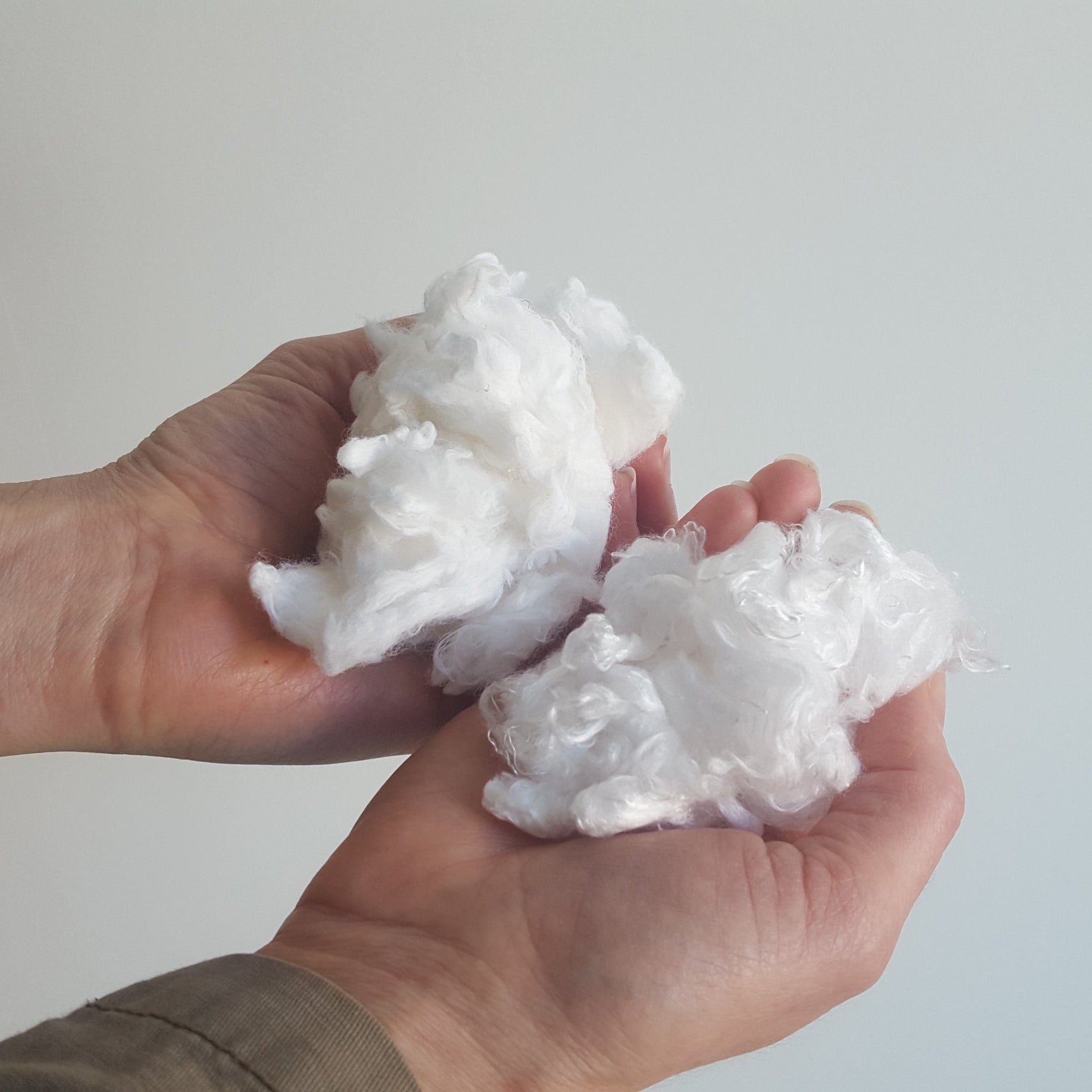
Soft TENCEL/Lyocell
Remedywear™ is a specialized fabric created from a combination of two sustainable, natural fibers, TENCEL™ and Smartcel™ Sensitive, with a small amount of latex-free elastane to add stretch.
The fiber component of both TENCEL™ and Smartcel™ Sensitive is lyocell – a natural fiber made with cellulose that is extracted from wood pulp in an eco-friendly manner. TENCEL™ is derived from eucalyptus trees and produced using a closed-loop system that recycles water and solvents, minimizing environmental impact and avoiding toxic or harmful chemicals, making it an eco-friendly fabric with zinc oxide for eczema clothes when blended with Smartcel™ Sensitive. The production process and manufacturing process are eco-friendly, utilizing a closed loop system to conserve resources and prevent chemical waste.
TENCEL™ is naturally hypoallergenic and antibacterial, making it ideal for sensitive and eczema-prone skin. The smooth, round microscopic structure of TENCEL™ fibers allows the TENCEL™ fabric to glide over the skin, reducing friction and irritation. TENCEL™ can absorb about 50% more moisture than most cotton fabrics, making it highly effective for moisture management and keeping skin dry. The fabric also helps regulate body temperature, reducing the likelihood of heat-related sweat rashes and making it suitable for various climates. TENCEL™ retains its softness and does not pill easily, even after multiple washes. OEKO-TEX certified TENCEL™ fibers are free from harmful substances that can cause skin reactions. TENCEL™ helps inhibit bacterial growth naturally due to its moisture-management abilities.
TENCEL™ is an excellent choice for clothing for sensitive skin conditions due to its smooth, hypoallergenic, and moisture-wicking properties, especially in adult clothes for psoriasis and eczema designed to reduce friction and irritation. What makes TENCEL™ fabric special is its combination of softness, durability, eco-friendly closed-loop production, and suitability for sensitive skin.
In a randomized controlled study of 30 patients with atopic dermatitis, Lyocell clothing, and bedding were subjectively preferred to cotton for its softness (p=0.0001), temperature regulation (p=0.0039), moisture control (p=0.0003), and wrinkle resistance (p=0.0124) after 1 week of use [2].

Smartcel Sensitive with Zinc Oxide
An important component of Remedywear™ is Smartcel™ Sensitive – a lyocell–based fabric that is embedded with zinc oxide particles that stay in place even after numerous washes. In addition to being a physical UV blocker, zinc oxide has been shown to exhibit high antioxidant capacity against ROS and RNS (reactive nitrogen species) and antimicrobial activity against Staphylococcus aureus and Klebsiella pneumoniae in vitro [3]. Thus, the zinc particles incorporated into textiles prevent bacterial growth and odor formation [4].
Test Results
The following is a list of In Vitro test results using Smartcel™ Sensitive materials:
- Antibacterial
- Reduces bacteria by 1,000 times and more, completely irradicating Staphylococcus aureus MRSA and AATCC. Implications for skin infections, food poisoning, bone and joint infections, bacteremia, etc. Results here.
- Antimicrobial
- Klebsiella Pneumoniae with implications for pneumonia, typically in the form of bronchopneumonia and bronchitis.
- Escherichia Coli with implications for urinary tract infection or gastrointestinal infection and other local tissue and organ infections.
- Results here for both.
- Anti-odor
- Eliminates Staphylococcus epidermidis with implications for malodor in different parts of human skin, and
- Eliminates Corynebacterium jeikeium with implications for underarm odor.
- Results here for both.
- Antifungal
- 95% + Reduction in Candida Albicans with implications for superficial infection on mucous membranes in the vagina or mouth, systemic fungal infections, etc. Results here.
- Eliminates Trichophyton interdigitale with implications for tinea capitis (favus), tinea corporis (ringworm), tinea cruris (crotch itch),
onychomycosis (toenail fungal infections), tinea pedis (athlete's foot) etc. Results here. - Antioxidant
- Inhibits the formation of free reactive oxygen species and reduces the formation of reactive nitrogen species. Results here.
- Antiviral
- Influenza A Virus (H1N1) with implications for acute respiratory infectious disease.
- Anti Dust Mites
- 62% control of house dust mite populations with implications for bronchial asthma and allergic rhinitis, etc. Results here.

Read more reviews from physicians and practitioners here.
Clinical Trial
The use of Remedywear can significantly improve the quality of life in patients who have AD, eczema, psoriasis, sensitive skin, or other itchy skin conditions. As shown in the Figure below, TENCEL® is smoother than traditional fabrics (e.g. cotton and wool), which helps prevent irritation to the skin and promotes comfort. A pilot trial consisting of 12 adult subjects with moderate to severe atopic dermatitis found a rapid improvement in the severity of the patient’s disease, pruritus (itch), and subjective sleep quality after 3 nights of wearing TENCEL® /Smartcel™ Sensitive trousers and long sleeve shirts [3]. A second study showed similar results when patients with atopic dermatitis slept in bedding made with Smartcel™ Sensitive.[5]

Safety
Studies also demonstrate that the zinc in Smartcel™ Sensitive does not penetrate the skin into the bloodstream and is safe for use in adults, children, and infants with eczema and atopic dermatitis who have dysfunctional skin barriers [3]. Lab tests show zero cytotoxicity.
Hypoallergenic
Remedywear™ garments are free of latex, nylon, nickel, disperse dyes, and phenylenediamine, a chemical responsible for allergies to blue and black dye, which is especially important in eczema clothing for babies and kids whose skin is easily irritated by harsh materials. The fabric, thread, and dyes used in Remedywear™ have all received an Oeko Tex 100 certification, underscoring the safety of anti-itch clothing for kids with sensitive skin. The Oeko TEX 100 certifies that a fabric is safe for delicate and allergy-prone skin, including newborns and infants.
Moisture Wicking
Our Remedywear fabrics TENCEL™ and Smartcel™ Sensitive are made of lyocell, which is composed of nanofibrils—very, very small fibers—that are spun together, creating products like our form-fitting anti-itch pants for adults with eczema and psoriasis. These fibers are hydrophilic, meaning they “love water,” conferring Remedywear with excellent moisture-wicking capacity and breathability, which is particularly beneficial in Remedywear adult socks for psoriasis and eczema that must manage sweat and odor. TENCEL™ Lyocell can absorb about 50% more moisture than most cotton fabrics, making it highly effective for moisture management, especially in Remedywear anti-itch gloves made with TENCEL and zinc that help protect dry, irritated hands. TENCEL™ fabric wicks moisture away from the skin quickly and releases it through evaporation, helping to keep skin dry and comfortable.
The figure below demonstrates the moisture-wicking capacity of TENCEL™ fibers. This is especially important for eczema and AD patients who often become irritated due to sweat accumulation in problem areas such as the elbow and knee folds. By effectively wicking away moisture, Remedywear can eliminate the root cause behind this issue and provide sustained relief throughout the day.

Recommended Use
Remedywear™ garments work well dry, there is no need for messy wet wrapping. We recommend patients try dry wrapping by first applying a generous layer of emollient on dry skin and then covering it with Remedywear™ clothing, like these Long Sleeve Tops for Kids. The clothing can be worn overnight as a pajama or during the day with another item of clothing over the top.
For more intense moisture therapy, our garments can be worn damp as well, for wet wrapping. Patients can take a lukewarm bath beforehand, apply emollients to slightly damp skin and then cover it with Remedywear.
Wash and wear as often as needed. To care for Tencel Lyocell clothing for sensitive skin, wash on a gentle cycle with cold water and air dry or tumble dry low. Avoid using harsh bleach and fabric softeners to preserve the fabric's softness. Wash TENCEL™ clothing with like colors to prevent color bleeding. TENCEL™ retains its softness and does not pill easily, even after multiple washes. The zinc oxide in Remedywear is proven to last with this wash test. Even after 100 washings, Remedywear retains 80% of the embedded zinc oxide content.
Please contact us with your questions regarding any of these beneficial claims.
References
[1] Morais DS, Guedes RM, Lopes MA. Antimicrobial Approaches for Textiles: From Research to Market. Materials (Basel). 2016;9(6). [2] Love WE, Nedorost ST. Fabric preferences of atopic dermatitis patients. Dermatitis. 2009;20(1):29-33. [3] Wiegand C, Hipler UC, Boldt S, Strehle J, Wollina U. Skin-protective effects of a zinc oxide-functionalized textile and its relevance for atopic dermatitis. Clinical, Cosmetic and Investigational Dermatology. 2013;6:115-121. [4] Ramachandran. Aa. Preparation, Characterization, and Functional Analysis of Zinc Oxide Nanoparticles Coated Single Jersey Cotton Fabric. 2012.
[5] Wollina U, Schmidt N, Mühle D, Hansel G. Clinical Experiences with an Antimicrobial Bed Equipment Using Zinc-Smartcel Fibers for Pronounced Atopic Dermatitis. 2018.